
Huge congratulations to Kym, our Finance Manager, who has passed her BA (Hons) Business Studies with a 2:1 – 6 years of hard work finally completed! Well done!

Huge congratulations to Kym, our Finance Manager, who has passed her BA (Hons) Business Studies with a 2:1 – 6 years of hard work finally completed! Well done!

If you require any rabbit control then please get in touch with us on 01983 406999 or e-mail us at pestcontrol@hillbans.co.uk and we’ll be happy to help.

Hillbans Pest Control Ltd have been awarded CEPA European Quality Standard Certification for pest management services EN16636. The only pest control company on the Island to hold this much coveted award. Something that further demonstrates their professional credentials and confirms that Hillbans exercise best working practices from a professional workforce with an awareness of legislation, statutory and European requirements at all times.
Sandra Knowles Director of Hillbans Pest Control, comments: “We are delighted to receive this accreditation, something that demonstrates our commitment to delivering a professional service to international standards at all times, the only pest control company on the Island to do so. This allows us to lead the way and sets ourselves aside from others. For us meeting the highest professional standards for all our customers across the Island of service is of the utmost importance to everyone in our team.”
Companies who hold CEPA certification are required to demonstrate best working practices, including how to deal with waste management and the reduced use of biocides, otherwise known as a poisonous substance. It also reflects Hillbans Pest Control commitment to offer the right advice and demonstrate best practice methods, risk analysis and root cause analysis to eradicate any pest infestation.
Hillbans Pest Control is the only pest control company on the Island to have been awarded this accreditation and is also the only pest control company to hold the Quality In Business (QIB) accreditation. In 2017 the company received the Growth Business of the Year Award and was Highly Commended in Small Business of the Year Award at the Business for Excellence Awards 2017.

Hillbans Pest Control are proud to announce that they have achieved CEPA certification which demonstrates their professional credentials within a competitive market, it confirms that Hillbans exercise best working practices and employ a competent workforce with an awareness of legislation, statutory and European requirements.
CEPA Certified® sets a clear and practical benchmark for the competencies of a pest control operator and the basic processes required to ensure a quality service can be consistently delivered. It demonstrates our company’s commitment to delivering a professional service. This allows us to lead the way and set ourselves above other companies.
“EN16636 is the first European standard for pest management and has been a long time in the making. Many well-respected and highly qualified people have been involved in its creation. It has been developed to aid in the professionalism of the pest management sector and to offer protection to clients, public health and the environment.”
Dee Ward-Thompson, BPCA Technical Manager
Hillbans Pest Controls CEPA Certificate can be viewed here.


Species of birds that are a particular nuisance:
Birds can cause damage to a number of areas but the main risk is the roof. Large birds such as pigeons can dislodge tiles and cause major structural damage, their droppings are also very acidic which, if left to build up, will eat through materials and leave areas exposed. This can be very expensive to fix, can be unappealing and is extremely unhygienic.
Nests are another dangerous hazard and birds like to build them in areas such as drains and gutters which can cause bad flooding if not attended to. Nesting on or inside chimneys can cause fires, or in certain cases carbon monoxide poisoning. A precaution for this would be to make sure that your chimney is clear before lighting any fires as well as listening out for any birds chirp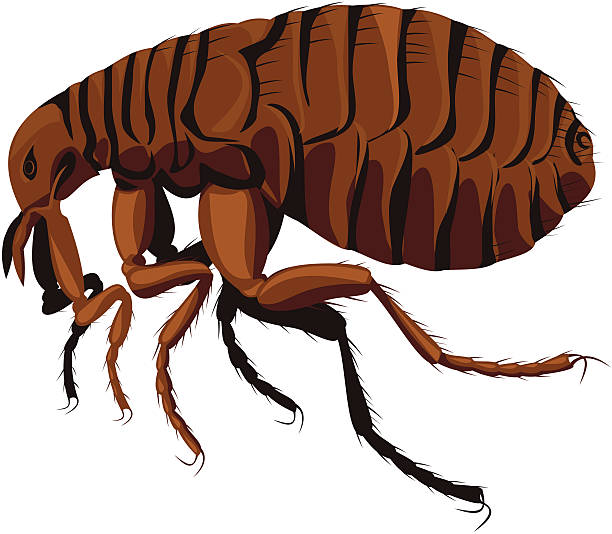
Birds are also carriers of diseases, alongside small parasites such as ticks, fleas and lice which can infest their nests and spread throughout properties causing havoc to domestic animals and other inhabitants.
Birds are also a major nuisance to businesses that store grain or flower along with packaged goods as they can gain access to the stores and consume a lot of the products and render the rest unfit for consumption. This could potentially cause harm to customers and if the problem is not solved or goes unnoticed it could cost a lot of money in legal fees.
For help with any bird related issues you may have, please contact us here or call us on 01983 406999.
Hillbans Pest Control are proud to be supporting Dementia UK. With every wasp nest we treat, we will donate £2 to Dementia UK.
Our technicians will also be carrying donations pots if any of our customers would like to contribute to this worthy cause.
More information on Dementia UK and the great work they do can be found at http://www.dementiauk.org
Hillbans Pest Control are proud to sponsor the West Wight U14’s FC, aswell as preventing those dodgy own goals by keeping their pitch mole free!


If you have a rat problem that you can’t handle or one that will not go away, then please give us a call on 01983 406999 or contact us at pestcontrol@hillbans.co.uk
 HILLBANS PEST CONTROL LTD